
.jpg)
Chicago is a city defined by architecture. From block to block, neighborhood to neighborhood, the homes tell stories about history, culture, and how people have lived over time. In my experience as an architect working throughout Chicago and its suburbs, understanding Chicago architectural styles is one of the most important first steps in making smart design decisions, whether you’re renovating an existing home or planning something new.
What makes Chicago unique is the sheer variety of residential architecture. You can walk a few blocks and see bungalows, greystones, two-flats, Victorians, mid-century modern homes, and contemporary infill - all coexisting within the same urban fabric. Each style brings its own character, opportunities, and design challenges.
This guide offers an overview of the most common Chicago architectural styles, how they developed, and what to consider if you’re living in or thinking about working with-one of these homes today.
Why Chicago Has Such Diverse Architectural Styles
Chicago’s architectural diversity didn’t happen by accident. The city grew rapidly in waves, shaped by industrial expansion, immigration, transportation, and changing lifestyles. Housing was built to respond to specific needs: density, affordability, climate, and evolving family structures.
As the city expanded outward, new neighborhoods developed with their own identities. Later, the suburbs followed suit, introducing additional styles like Colonials, ranch homes, and modern suburban residences. Today, Chicago architectural styles reflect more than aesthetics; they reflect how people lived, worked, and adapted to their surroundings.
For homeowners and buyers, understanding this context matters. Architectural style influences everything from layout and structure to renovation potential and long-term value.
The Chicago Bungalow

The Chicago bungalow is one of the city’s most iconic home styles. Built primarily between the 1910s and 1930s, these homes were designed to be practical, affordable, and well-suited to urban lots.
Bungalows typically feature:
One-and-a-half stories
Brick construction
Low-pitched roofs
A compact but efficient layout
In my experience, bungalows are incredibly resilient homes, but they often require thoughtful updates to meet modern living needs. Ceiling heights can be lower, layouts more compartmentalized, and mechanical systems outdated.
When clients ask about expanding or modernizing a bungalow, the key is respecting the original proportions while improving flow, light, and functionality. Done well, a bungalow renovation can feel both timeless and contemporary.
Two-Flats and Three-Flats
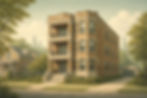
Two-flats and three-flats are another defining feature of Chicago's architectural styles, especially on the city’s North, West, and South Sides. These buildings were designed to accommodate multiple families, often with the owner living in one unit and renting the others.
Common characteristics include:
Stacked units
Brick or stone exteriors
Repetitive floor plans
Prominent bay windows
Today, many two-flats are being reimagined as single-family homes or thoughtfully updated multi-unit residences. From an architectural standpoint, these buildings offer great potential because of their generous width and vertical volume.
One thing I always remind clients is that zoning, structure, and stair placement play a big role in how flexible these buildings can be. Understanding the original intent of the building helps guide better design decisions.
Greystone Homes

Greystones are among the most recognizable and cherished Chicago architectural styles. Built primarily in the late 19th and early 20th centuries, they’re known for their limestone or gray stone façades, strong street presence, and ornate detailing.
Greystones typically feature:
Tall, narrow proportions
Formal room arrangements
Rich architectural details
While the exteriors are often protected or historically significant, the interiors can be reimagined to suit modern living. In my experience, the biggest challenge with greystones is balancing preservation with functionality.
Successful greystone renovations respect the original craftsmanship while introducing better light, updated circulation, and modern systems.
Victorian Homes

Victorian homes bring a sense of ornament and individuality to Chicago’s residential landscape. These homes are often found in older neighborhoods and are recognized by their decorative trim, steep rooflines, and expressive facades.
Victorian architecture is visually striking, but it can also be complex to renovate. The layouts were designed for a different era, often with smaller rooms and more separation.
When working with Victorian homes, I’ve found that the most successful projects focus on selective openness, opening up key areas while preserving the character-defining elements. This approach allows the home to function better without losing what makes it special.
Prairie-Style Homes
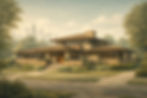
The Prairie style holds a special place in the story of Chicago's architectural styles, thanks in large part to Frank Lloyd Wright and his influence throughout the region. Prairie-style homes emphasize horizontality, craftsmanship, and integration with the landscape.
Key features include:
Strong horizontal lines
Low-pitched roofs with overhangs
Open, flowing interiors
Natural materials
Even today, Prairie-style principles continue to inform modern residential design. I often reference this approach when designing contemporary homes, especially when clients want spaces that feel grounded, calm, and connected to their surroundings.
Mid-Century Modern Homes
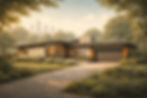
Mid-century modern homes are increasingly popular across Chicago and its suburbs. Built roughly between the 1940s and 1970s, these homes prioritize simplicity, structure, and light.
Common characteristics include:
Flat or low-sloped roofs
Large windows
Open floor plans
Minimal ornamentation
In my experience, mid-century modern homes age remarkably well because they were designed with flexibility in mind. When updating these homes, the focus is often on improving energy performance and updating systems while preserving the original design intent.
Modern and Contemporary Homes

Modern architecture has become an important part of today’s Chicago architectural styles, particularly through urban infill and suburban custom homes. These designs prioritize clean lines, efficiency, and a strong relationship between indoors and outdoors.
Modern homes often feature:
Simplified forms
Large expanses of glass
Open, adaptable interiors
Thoughtful material palettes
In Chicago, modern homes must also respond carefully to context, both neighborhood character and zoning requirements. From my perspective, the best modern designs are those that feel intentional and grounded, not flashy or out of place.
Chicago Architectural Styles in the Suburbs
As you move beyond the city, architectural styles shift again. Suburban Chicago introduces Colonials, ranch homes, transitional styles, and modern suburban residences.
Suburban homes often benefit from:
Larger lots
Greater flexibility in massing
Stronger connections to the landscape
Designing in the suburbs allows for different conversations about scale, privacy, and outdoor living. Whether modern or traditional, the same principles apply: the architecture should reflect how people live and how the site is used.
How Architectural Style Impacts Renovation and New Design

Understanding Chicago architectural styles isn’t just about appreciation - it directly impacts design decisions. Style influences structural systems, materials, ceiling heights, and even budget expectations.
Before starting a project, it’s important to ask:
What elements define this home’s character?
What can be changed and what should be preserved?
How can the home evolve without losing its identity?
This is where working with an experienced architect becomes valuable. At Studio Carney Architecture, we help clients navigate these questions through custom home design, residential building design services, feasibility studies, and even commercial projects where residential context matters.
Choosing the Right Architect for Your Chicago Home
Every home tells a story, and every project requires listening before designing. In my experience, the most successful projects begin with a clear understanding of architectural style, site context, and long-term goals.
Whether you’re renovating a bungalow, modernizing a greystone, or designing a contemporary home from the ground up, the right guidance helps ensure the result feels cohesive, functional, and lasting.
Exploring Your Options
Chicago’s residential architecture is rich, layered, and full of possibility. Understanding Chicago architectural styles gives homeowners, buyers, and developers a foundation for making informed choices-choices that respect the past while accommodating the present.
If you’re exploring options for a renovation, addition, or new home, this knowledge is the best place to start.
If you’re exploring options, schedule a call with Studio Carney Architecture, and let’s talk through what’s possible for your home.
FAQs:
1. What are the most common Chicago architectural styles for homes?
Chicago architectural styles include bungalows, two-flats and three-flats, greystones, Victorian homes, Prairie-style houses, mid-century modern homes, and contemporary residences. Each style reflects a different era of growth in the city and comes with unique design characteristics, layouts, and renovation considerations.
2. Why is it important to understand a home’s architectural style before renovating?
Understanding your home’s architectural style helps guide smarter renovation decisions. It informs what elements should be preserved, how additions can be integrated, and which materials or layouts will feel cohesive. In my experience, projects are most successful when updates respect the home’s original character while improving functionality.
3. Can modern design work with historic Chicago homes?
Yes, when done thoughtfully. Many historic Chicago architectural styles, such as greystones or bungalows, can be modernized without losing their identity. The key is balancing preservation with contemporary needs like open layouts, natural light, and updated systems, rather than forcing a style that conflicts with the home’s structure.
4. How do architectural styles differ between Chicago and its suburbs?
Chicago homes are often shaped by density and narrower lots, resulting in styles like bungalows, two-flats, and greystones. In the suburbs, you’ll find more Colonials, ranch homes, and modern suburban residences, often with greater flexibility in scale, massing, and outdoor connection. Each context requires a different design approach.
5. How can an architect help when working with Chicago architectural styles?
An architect helps interpret a home’s architectural style and determine how it can evolve over time. This includes evaluating structure, zoning, and layout while guiding renovations, additions, or new construction so the final design feels intentional, functional, and appropriate to its context.
Tags
architect chicago, architecture chicago, chicago architects, chicago architects residential, chicago residential architects
Related Articles

Design-Build Architecture: Northwest Suburbs of Chicago
Design-build architecture in Chicago’s Northwest suburbs - simplify your custom home project with one expert team from concept to construction.

Residential Home Design Fundamentals: Explained
Residential home design explained. Learn how layout, light, and flow shape homes people love living in, not just spaces that look good on day one.

